


January 13, 2026
It's important to understand how Rock Hill's seasonal shifts change pest activity so you can protect your property year-round.
January 13, 2026

There's a clear path for you to remove wildlife safely and humanely in Rock Hill: assess risks, prioritize non-lethal exclusion methods, document damage, follow local wildlife and health regulations, protect your family and pets, and engage licensed professionals when relocation is necessary.
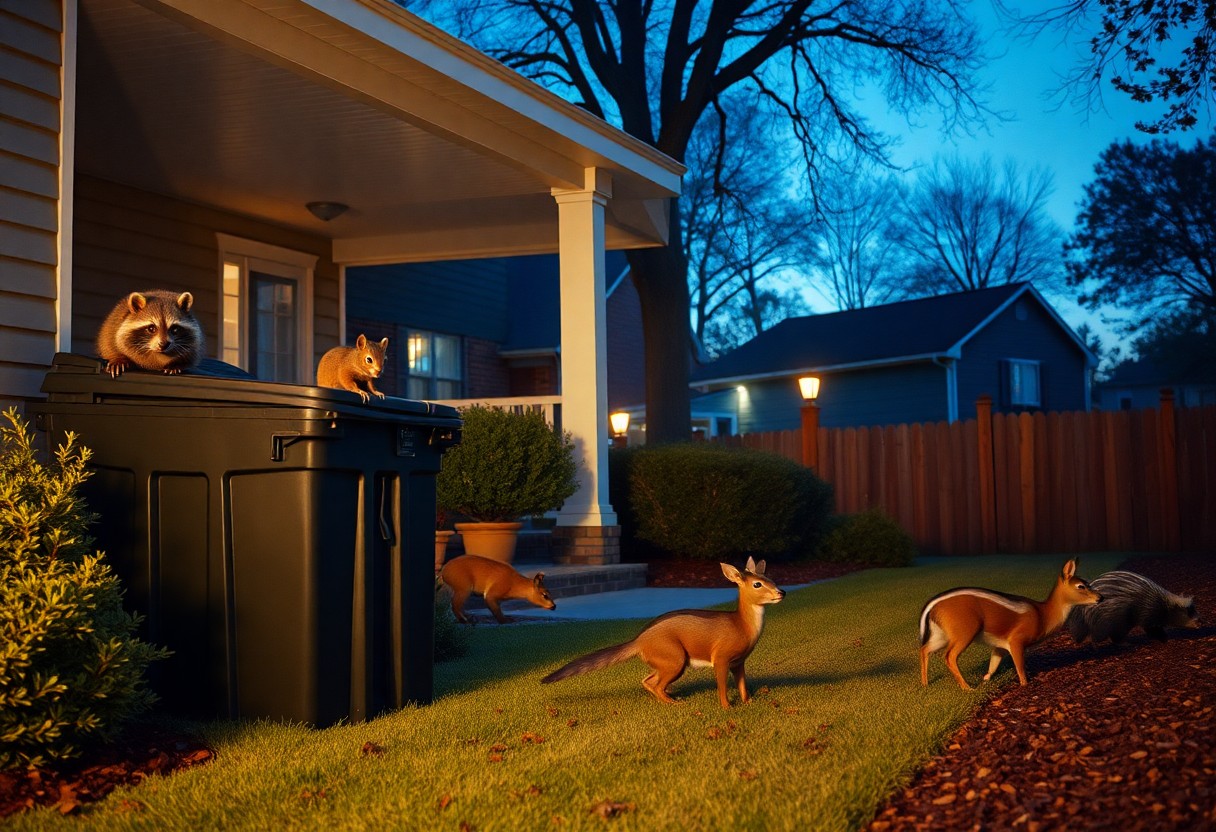
You'll encounter a mix of mammals, birds, and reptiles around Rock Hill - raccoons, opossums, Norway rats, pigeons, starlings, various snakes, box turtles, and bats top the list. Juvenile dispersal in late summer and spring nesting increase sightings, and seasonal behaviors drive most conflicts. You should focus on identifying entry points, nesting sites, and food sources to prioritize humane exclusion and habitat modification.
MammalsRaccoon, opossum, gray squirrel, Norway rat, house mouseBirdsPigeon, starling, house sparrow, barn swallow, red-tailed hawkReptilesEastern rat snake, copperhead, box turtle, five-lined skink, garter snakeBats & Misc.Big brown bat, little brown bat; attic colonies; skunk, armadilloYard VisitorsWhite-tailed deer, groundhog, feral cat, skunk, opossum
You often find raccoons (8-20 lb adults) and opossums foraging at night, while rats breed rapidly-gestation around 21-24 days with up to a dozen pups-so infestations expand fast. You should inspect attics, soffits, and crawlspaces for torn insulation or shredded wiring; exclusion work timed before juvenile dispersal in late spring prevents re-entry and reduces overall risk to your home.
You'll see pigeons and starlings roosting on ledges, and swallows nesting in eaves during spring; migratory patterns mean nesting activity peaks from March through August. You must avoid disturbing active nests because federal protections apply to many migratory species, so plan deterrents and exclusions for off-season periods to stay compliant.
Signs you should watch for include accumulated guano, staining on building facades, and fluttering at dawn or dusk; guano cleanup often requires PPE because fungal spores and bacteria can be present. You can install mesh, spike-free deterrents, and one-way exclusion devices after nesting ends, and professional exclusionists often document nesting status to avoid legal issues.
You may encounter non-venomous rat snakes and skinks in brush piles, and copperheads occasionally in rock walls or wooded edges; copperheads show a distinctive hourglass banding that you should learn to spot. You should reduce cover and rodent prey to lower encounters, and avoid handling snakes yourself-professionals can verify species and relocate when permitted.
Activity rises in warm months, especially late spring through early fall, and juveniles may wander in late summer; reducing stacked lumber, sealing tight ground-level gaps, and keeping grass trimmed removes habitat that attracts both snakes and their prey. You can also use seasonally timed exclusion and professional identification to minimize unnecessary relocations and ensure safety.

Use clear procedures: observe from a safe distance, secure people and pets, and avoid direct contact with animals or droppings. Photograph damage and note activity times to aid identification; nocturnal scratching often signals raccoons or bats while daytime sunning suggests ground-dwelling species. Assume that you will wear appropriate PPE and contact a licensed wildlife professional for aggressive, injured, or protected animals.
Start by identifying species and entry points: holes as small as 1/4" admit mice, ~1/2" for rats, 2-3" for squirrels, and 4-6" for raccoons. Check attic insulation for concentrated guano (bats), smear marks on eaves (raccoons), or greasy rub lines on rafters (squirrels). Note time-of-day activity-bats at dusk, raccoons at night-and count fresh droppings over 24-48 hours to estimate population size.
Wear layered protection: disposable nitrile gloves under heavy leather gloves for trapping, and an N95 or P100 respirator when disturbing droppings or insulation per CDC guidance. Carry a 300-500 lumen headlamp, long-handled grabbers, and species-appropriate live traps (e.g., 32"x10"x12" for raccoons, 24"x9"x9" for squirrels). Use 1/2" hardware cloth and 1:10 bleach solution for sanitizing areas after removal.
Match tools to the task: choose soft-catch traps for small mammals to minimize injury, wire one-way exclusion funnels for attic-dwelling animals, and seal repairs with 1/4-1/2" mesh depending on species. Bag contaminated insulation in heavy-duty, double-sealed bags and label for hazardous waste, follow local disposal rules, and consult South Carolina DNR or Rock Hill ordinances for permit requirements on bats and migratory birds.
StepAction1 - Preparing for RemovalSurvey property, identify species and entry points, document droppings and damage, put on PPE, and set a timeline for exclusion and trapping.2 - Trapping & RelocationUse sized live-cage traps, bait appropriately, check traps every 12-24 hours, follow local permit rules, and transport animals covered and secured for release.3 - Post-Removal CareSeal openings with hardware cloth or steel mesh, sanitize affected areas, replace contaminated insulation, and monitor for reinfestation for 2-4 weeks.
Begin by identifying the species-bat, raccoon, squirrel, or skunk-then map entry/exit points and nesting sites; you should photograph damage, note droppings, and wear gloves plus an N95 respirator when inspecting enclosed spaces. Prioritize family safety: keep pets and children away, isolate the area for 24-48 hours before work, and call a licensed wildlife professional if you find pups, kits, or extensive structural damage exceeding 10 square feet.
You should use live-capture cage traps sized to the animal (for example, 32"×10" for raccoons, 24"×12" for opossums), place them along travel paths or near den entrances, bait with marshmallow or canned cat food for raccoons and peanut butter for squirrels, and check traps every 12-24 hours to minimize stress; avoid foothold or lethal devices and verify local relocation rules before transporting.
Place traps on firm, level ground within 5-15 feet of the den or run you observed, anchoring them to prevent tipping. For nocturnal species, set traps late afternoon and release at dusk the next day to reduce heat stress; when moving a captured animal, cover the trap with a blanket to calm it, secure the vehicle cargo area, and aim for release sites with food, water, and shelter-ideally at least several miles from your property or per municipal guidelines. Obtain permits when required and document capture date, trap type, and release coordinates for your records.
After removal, seal all entry points with 1/4-inch hardware cloth or galvanized steel mesh, repair roof vents and soffits, and replace any insulation contaminated by droppings; you should also sanitize with an enzyme cleaner or a diluted bleach solution (1:10) while wearing PPE, and monitor the site for 2-4 weeks to ensure animals do not return through overlooked gaps.
When cleaning attics or crawlspaces, ventilate for 30 minutes before entering, then wet contaminated areas to reduce airborne particles and use an N95/P100 respirator, gloves, and disposable coveralls. Remove soiled insulation in double-sealed bags and replace with new insulation rated for your climate zone; patch openings with metal flashing or hardware cloth anchored with concrete screws, install chimney caps and one-way exclusion devices where appropriate, and trim branches to create a 6-8 foot clearance to reduce future access points.
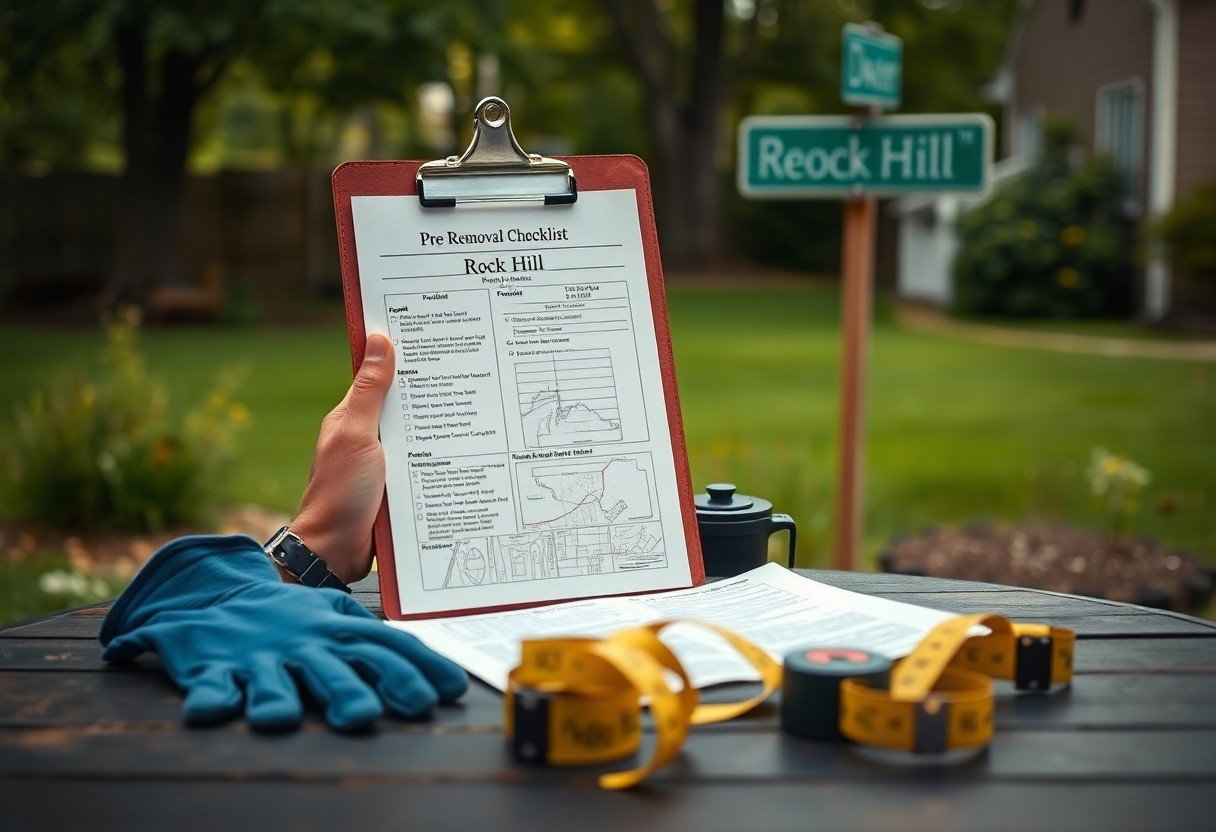
You assess species, signs of young, access points, structural damage, and nearby human or pet exposure; raccoons commonly den March-July, bats form maternity colonies May-August, and squirrels have litters in spring and late summer. You inspect insulation depth, wiring chewed by rodents, and entry gaps over ½ inch for squirrels or bats. You weigh humane exclusion versus trapping and reentry prevention with seals and screens. Thou should hire licensed, insured removal when public-health risks or protected species are involved.
You check federal and state laws before acting: the Migratory Bird Treaty Act protects many birds and forbids disturbance of nests, and some states restrict translocation of mammals. You often need permits for handling, rehabilitation, or lethal control; penalties in urban areas commonly start around $500 and can be higher for protected species. You contact the South Carolina Department of Natural Resources or Rock Hill municipal code to confirm species-specific rules and required permits before removal.
You account for breeding and maternity windows-bats May-August, raccoons March-July, and tree squirrels March-June-since exclusions during those times can strand young. You plan removals outside maternity peaks when possible, and you inspect attics and eaves after storms when animals seek shelter. You schedule humane exclusions in late summer or early fall if young are independent, typically 4-8 weeks after birth.
You also factor weather-driven behavior: heavy rains and cold snaps push animals into basements, attics, and crawlspaces, while heatwaves can drive nocturnal species into shaded building cavities. You monitor recent local weather events-after extended rain or storms you may see a 20-40% uptick in calls to wildlife services-and you prioritize urgent interventions for animals trapped indoors or showing signs of illness to protect people and pets.
ProsConsLower upfront costPersonal injury and disease exposureImmediate action when you spot activityLocal laws may restrict trapping or relocationHands-on learning about entry points and preventionImproper exclusion can trap or injure animalsSimple tools: one-way doors, mesh, caulkHidden structural or contamination damage missedControl over timing and methods usedHigh failure/repeat-infestation risk on complex jobsGood for minor, single-animal issuesMay violate wildlife or nuisance-animal ordinances
You can save $100-$1,000 by handling small problems yourself, using one-way exclusion funnels for squirrels or mesh and foam to seal gaps. Quick fixes often work when the issue is a single animal or a clear entry point, and you gain the skill to inspect soffits, vents, and eaves. Many homeowners successfully stop repeat incursions by sealing holes and installing chimney caps within a weekend with basic tools and PPE.
You face bite and scratch risks, exposure to parasites and guano, and the chance of breaking wildlife laws-bats and some nesting birds are often protected. Mistimed exclusions can leave dependent young to die, and incomplete seals commonly result in re-entry. Professionals typically charge $300-$1,200 for complex attic or den removals because they handle both removal and contamination safely.
When you attempt larger infestations, factor in contamination: bat guano and urine can require insulation removal and mold remediation, which raises costs and health risks. Seasonal timing matters-bat and bird maternity periods (late spring to summer) legally and ethically limit exclusions-so you must plan around those windows. Additionally, relocating animals without permits can spread disease and is banned in many municipalities, meaning an improper DIY move could lead to fines and ongoing problems you must still resolve.
If you find repeated entries, chewed wiring, insulation shredded, or persistent noises after sunset, you should call a pro; also contact one within 24 hours if a bat is in a room with a sleeping person or anyone is bitten. You’ll want help when animals are nesting with young, odors suggest carcasses in the attic, or multiple species are present-these situations increase risk of disease, structural damage, and complicated removals that DIY methods often worsen.
You should flag cases with multiple access points, animals inside HVAC or wall cavities, or evidence of young that can’t be safely relocated; seasonal peaks-spring (Mar-May) and fall (Sep-Nov)-often mean maternity colonies or dispersing juveniles. For example, bat colonies can number 20-200 and require exclusion timing to avoid killing pups, while raccoons in attics frequently damage insulation and wiring, raising fire risk and repair costs.
You want a provider with local Rock Hill experience, liability insurance, and verifiable certifications such as NWCOA or state wildlife control credentials, plus written estimates and humane exclusion-first policies. Ask for references, proof of insurance, and clear timelines; reputable companies will outline exclusion, cleanup, and repair steps rather than offer one-off trapping only.
When vetting companies, ask specific questions: Do you carry general liability and pollution/cleanup coverage (policy limits ≥ $1M)? Will you provide a written exclusion plan, before/after photos, and a 30-365 day re-entry warranty? Inquire about nonlethal preferences, subcontracted repairs, wildlife rehabilitation partners for injured animals, and permits required for bats or other protected species; demand references for similar Rock Hill jobs and a clear timeline for cleanup and structural repairs.
So you can apply the guidance from The Complete Guide To Safe And Humane Wildlife Removal In Rock Hill to protect your property and local animals, follow inspection, exclusion, safe trapping or relocation practices, comply with local laws, and contact licensed wildlife professionals when hazards or complexity exceed your skills; your informed, timely actions minimize risk and promote humane outcomes.


January 13, 2026
It's important to understand how Rock Hill's seasonal shifts change pest activity so you can protect your property year-round.

January 13, 2026
There's a handful of wildlife-raccoons, squirrels, bats, opossums, and snakes-that commonly invade Rock Hill homes.
Ready to work with us?
Reliable pest control solutions for homes and businesses safe, effective, and expertly powered. Contact us today!
Copyright © Affordable Pest Pros | Designed By VAVA Graphics



