


January 13, 2026
There's a handful of wildlife-raccoons, squirrels, bats, opossums, and snakes-that commonly invade Rock Hill homes.
January 13, 2026

It's important to understand how Rock Hill's seasonal shifts change pest activity so you can protect your property year-round; spring brings ants and termites, summer breeds mosquitoes and ticks, fall drives rodents indoors, and winter prompts pests to seek warmth-regular inspections, sealing entry points, controlling moisture, and timed treatments will help you prevent infestations and reduce damage.
Across the year you’ll face different threats: March-May brings termite swarmers, ticks and foraging ants; June-August spikes mosquito and wasp activity; September-November drives rodents and attic invaders indoors; December-February shifts pressure to cockroaches, mice and persistent indoor infestations. You should track seasonal peaks and inspect foundations, gutters and crawlspaces after heavy rain or prolonged heat to spot early signs.
During March-May you’ll see eastern subterranean termite swarmers after warm rains, odorous house ants trail into kitchens, and ticks (including lone star and blacklegged) become active in tall grass. You should inspect wood-to-soil contacts and clear leaf litter; a single termite colony can contain tens of thousands to over a million workers, so early detection matters for repair costs.
June-August brings peak mosquito activity-Aedes albopictus bites aggressively during daylight-and yellowjackets and paper wasps build nests that provoke stings near patios. You’ll also see ant foraging intensify as colonies expand and structural entry points get exploited during drought or irrigation overuse.
After a rain or sprinkler runoff you can expect mosquito larvae to develop in as little as 7-10 days in warm temperatures, so eliminating standing water (buckets, gutters, birdbaths) cuts populations quickly. Yellowjacket colonies can swell to thousands by late summer; you should avoid DIY nest disturbance and document nest locations for targeted removal.
September-November often shifts activity indoors: house mice and Norway rats seek warmth and food, and nymphal ticks can still bite on mild days. You should seal gaps around doors, vents and foundation walls because a single female mouse can produce multiple litters of 4-8 pups, enabling rapid population growth inside wall voids.
Typical rodent entry points are gaps as small as 1/4-1/2 inch near utility lines and soffits; you should inspect attic insulation, wiring chew marks and droppings. Professional exclusion and baiting reduce reinfestation, while snap traps placed along runways deliver fast reductions when checked every 24-48 hours.
December-February doesn’t stop pest pressure: you’ll find cockroaches in warm basements, pantry-invading Indianmeal moths, and rodents nesting in attics or behind appliances. You should vet winter plumbing leaks and stored firewood because indoor moisture and food sources sustain populations through cold snaps.
Since many pests shelter where you live, monitoring with bait stations, sticky cards and seasonal inspections is effective; for example, quick rodent proofing and sanitation in winter reduces spring breeding by limiting pregnant females’ access to nests and food. If infestations persist, targeted professional treatments for rodents and cockroaches typically show measurable reductions within 2-4 weeks.
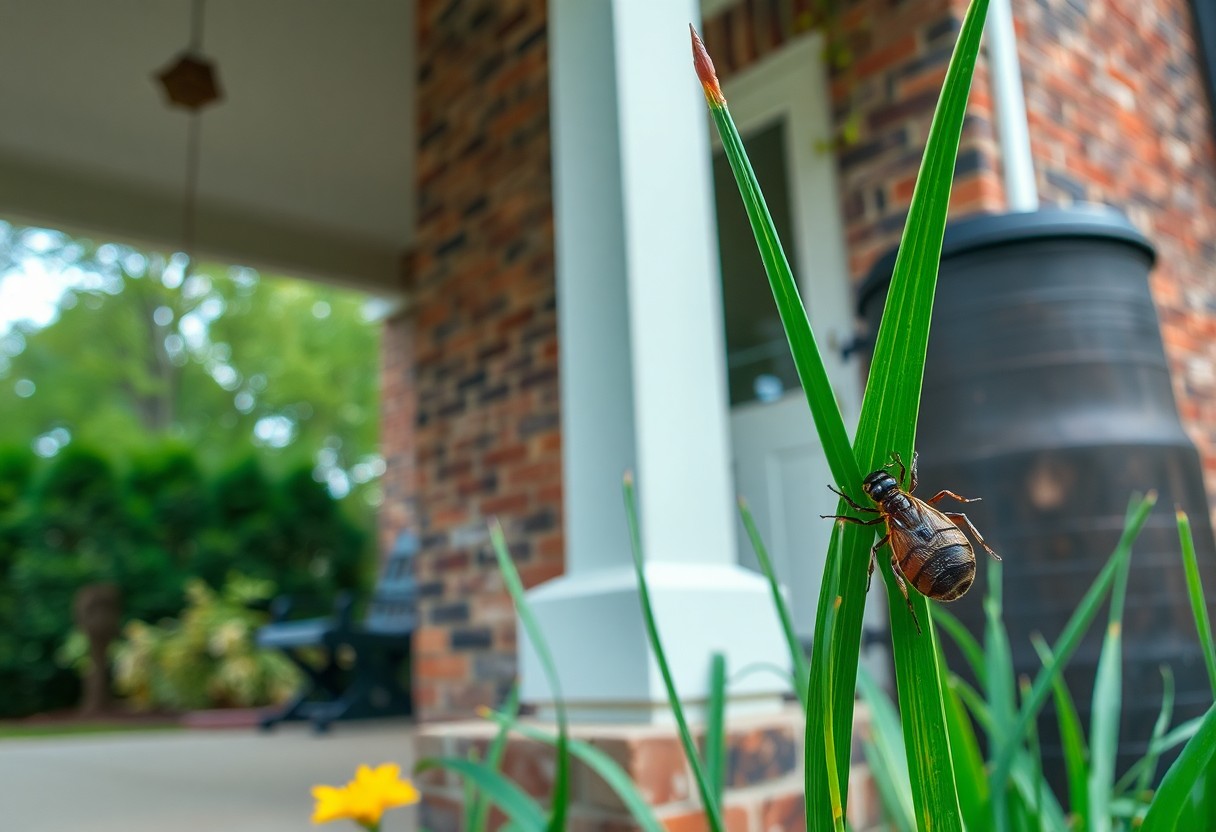
When you inspect your home, focus on entry points, moisture zones, and voids where pests hide; termites often leave mud tubes up to 1/2 inch wide, rodents leave gnaw marks and 1/4-1/2 inch droppings, and cockroaches leave oily smear marks along baseboards. Use systematic checks-crawlspaces, attic, behind appliances-and log findings with dates and photos to track progression and prioritize treatment.
You’ll notice frass or coarse sawdust from carpenter ants, swarms of winged termites in spring (March-May), bite-like holes in drywall, and persistent nocturnal scratching indicating rodents. Shed skins and oily droppings point to cockroach activity, while persistent dampness and mold near foundations attract subterranean termites. Multiple concurrent signs in one area usually mean the problem is established and escalating.
You can use a bright LED flashlight, a moisture meter (wood readings above 20% warrant concern), a borescope camera to inspect voids, and sticky traps to monitor activity; thermal cameras help locate nests by detecting heat anomalies. DIY monitoring with these tools often reveals early problems and helps you decide whether professional inspection is needed.
For practical use, place sticky traps along walls every 6-8 feet and inside cabinets to confirm rodent or roach routes; employ a borescope with a 2-3 mm probe to peer into wall voids and behind HVAC ducts, and take moisture readings at multiple points-healthy wood is typically under 12% moisture, sustained readings above 20% indicate elevated risk. Rental thermal cameras ($50-$100/day) can reveal 2-3°C anomalies that point to nests or hidden leaks before visible damage appears.
You should focus on exclusion, sanitation, and targeted treatments: seal gaps larger than 1/8 inch, store firewood at least 20 feet from your foundation, and clean gutters twice a year to prevent standing water that attracts mosquitoes and roaches. Quarterly inspections of crawl spaces and attics catch early termite or rodent activity; when you find evidence, photograph it and schedule a professional assessment within 48 hours to limit spread and damage.
You should set a seasonal checklist: inspect foundation and eaves quarterly, trim vegetation 18-24 inches from siding, replace torn screens each spring, and vacuum pantry shelves monthly to deter ants and beetles. After you finish these tasks, log dates and any pest signs so patterns-like increased ant activity in late summer-guide targeted interventions.
You can use natural options effectively for low-level problems: spray a mix of 10-15 drops peppermint oil per 1 cup water with a teaspoon of dish soap along baseboards to deter ants and spiders, place 2-3 cedar blocks or sachets in closets to reduce clothes moths, and apply food-grade diatomaceous earth as a thin dust in crawl spaces to cut flea and roach numbers.
You should note limitations and best practices: reapply imperative-oil sprays every 2-4 weeks or after heavy rain, avoid undiluted oils on pets, and use food-grade diatomaceous earth only in dry areas. Combine these methods with sanitation and exclusion for noticeable results; for example, homeowners who paired peppermint sprays with sealing entries saw fewer indoor ant sightings over a 3-month period.
You should consider licensed pros for moderate to severe issues: many companies offer quarterly or annual service plans, termite inspections recommended yearly, and rapid-response visits within 48 hours for active infestations. Choose providers that use integrated pest management (IPM), combining baits, perimeter treatments, and targeted spot applications to minimize chemical use while addressing species-specific behavior.
You should ask prospective companies for inspection reports, treatment plans, follow-up schedules (commonly 30-90 days), and warranty terms; reputable firms provide written estimates, a license number, and proof of insurance. Expect technicians to document entry points, identify species, and recommend a timeline-often an initial treatment followed by two follow-ups within three months for effective control.

With Rock Hill's humid subtropical climate-average summer highs near 90°F, winter lows around 30°F, and roughly 48 inches of annual rainfall-you'll see pest seasons lengthen compared with northern areas. Mosquitoes and ticks become active earlier in spring and linger into late fall, while subterranean termites may remain foraging year‑round when soil stays warm.
Frequent summer thunderstorms between June and August create standing water that fuels mosquito breeding, so you should check gutters and yard containers within 48 hours. Milder autumns push tick activity into November, and sporadic winter thaws can trigger early nymph emergence. High humidity and persistent leaf litter also favor ants, roaches, and slug activity around foundations.
Local extension reports show rising tick and mosquito complaints over the past decade, so you should expect more encounters with lone star ticks and Aedes albopictus in yards. Subterranean termite activity stays steady year‑round, and expanding development has pushed rodent populations into previously quiet neighborhoods. These trends mean you need proactive inspections and targeted treatments.
Seasonal timing also shifted: nymphal ticks now peak in late spring while adult ticks remain active into October, and mosquitoes can complete a life cycle in as little as 7-10 days during hot, wet stretches, producing multiple generations each summer. Subterranean termite colonies often contain thousands of workers, so early mud‑tube detection and moisture control around foundations reduce your long‑term repair bills.

Throughout the year, pests expose you to allergens and pathogens: ticks can transmit Borrelia burgdorferi (CDC estimates ~476,000 Americans treated annually for Lyme disease), mosquitoes carry West Nile and EEE in the Southeast, and rodent droppings may contain hantavirus (U.S. case fatality ~36%). Cockroaches, mice and dust mites worsen indoor allergies and asthma, and bed bugs or fleas disrupt sleep and can spread secondary infections. These specific threats are why timely pest control matters for your household's health.
Cockroach allergen (Bla g 1) and mouse allergen (Mus m 1) persist in household dust and can trigger or worsen asthma; about 1 in 13 Americans has asthma, so exposure affects many families. You can also be sensitized to dust mite and pet dander, while fleas and ticks serve as vectors for pathogens such as Rickettsia (murine typhus) and Lyme bacteria. Measurable pest allergens in the home correlate directly with increased respiratory symptoms in children and adults.
Chronic pest exposure can lead you or your children to ongoing respiratory disease: repeated allergen exposure is linked to persistent asthma and more ER visits, and a subset of tick-borne Lyme patients (estimated 10-20%) report prolonged symptoms after treatment. Recurrent rodent infestations raise the risk of serious bacterial or viral exposure, and hantavirus infections have a high case-fatality rate (~36%). Long-term infestations therefore increase both chronic respiratory burden and the chance of severe, lasting illness.
Long-term effects also compound healthcare costs and daily function: persistent asthma often requires daily inhaled corticosteroids and leads to missed school or work, while post-infectious syndromes from tick or mosquito diseases can cause months of fatigue and joint pain. For example, targeted home remediation trials have documented allergen reductions and symptom-day decreases in children of up to 50%, demonstrating that addressing infestations early can materially improve long-term outcomes for you and your family.
You can reduce chemical use by combining physical barriers, biological agents, and targeted organic treatments: dust diatomaceous earth in crawlspaces, apply neem oil at 1-2% every 7-14 days for sap-sucking insects, introduce beneficial nematodes to control lawn grubs, and use pheromone traps for pantry and moth pests. Inspect weekly during spring and summer, keep vegetation trimmed 12-18 inches from foundations, and fix leaks within 48 hours to remove pest-friendly habitat.
You should favor registered organic products and mechanical tactics: Bacillus thuringiensis (BT) sprays for caterpillars applied per label every 7-14 days, insecticidal soap or horticultural oil for aphids and mites, and food-grade diatomaceous earth for crawling insects. Combine with sticky traps and airtight pantry storage; for example, a sealed glass jar cuts Indian meal moth infestations more effectively than sprays alone.
You ought to adopt Integrated Pest Management (IPM): monitor with sticky traps and weekly inspections, set action thresholds (e.g., treat when >10% of plants show damage), prioritize exclusion and sanitation, then use targeted biologicals or spot treatments as a last resort. Log observations and treatments so you can adjust tactics seasonally and reduce repeat applications.
More detail: you should map problem areas, inspect entry points monthly, and seal gaps larger than 1/8-1/4 inch with caulk or metal flashing. Rotate control methods-cultural (mulch alternatives), biological (nematodes, predatory beetles), mechanical (vacuuming weekly, traps), and minimal-risk pesticides only when thresholds are met-to lower pest populations sustainably and cut retreatment frequency over a full season.
Inspect your attic and crawlspaces quarterly, seal entry gaps larger than 1/4 inch, and place bait stations every 10-15 feet around foundations; if you spot rodent droppings, set snap traps along baseboards and check them daily. Schedule a professional inspection once a year-initial treatments typically run $150-300-and ask about a 12-month service plan. Following these steps reduced a local duplex infestation by 80% within three months in a recent case study, helping you protect both property and peace of mind.


January 13, 2026
There's a handful of wildlife-raccoons, squirrels, bats, opossums, and snakes-that commonly invade Rock Hill homes.

January 13, 2026
There's a range of eco-friendly pest control options available to you in Rock Hill, SC you can protect your home and the local environment while keeping pests at bay.
Ready to work with us?
Reliable pest control solutions for homes and businesses safe, effective, and expertly powered. Contact us today!
Copyright © Affordable Pest Pros | Designed By VAVA Graphics



